Skip to content

The Art of Brewing Tea

Brewing Delicious Sencha and Green Tea

The flavor of sencha and green tea is strongly influenced by water temperature and brewing time.
With a little care, the tea leaves’ natural aroma and gentle umami can be brought out more fully, revealing their true character.

Measuring the Tea Leaves

As a general guideline, use approximately 5 grams of tea leaves per person.(For deep-steamed teas such as fukamushi sencha), use slightly less, as these teas tend to brew more intensely.)

As a reference, we at WAKA recommend 5 grams per person, or simply multiplying the amount by the number of people when brewing for a group.
When preparing multiple servings, the leaves may be measured together, but care should be taken to maintain a consistent strength in each cup.

Boil the Water and Let It Cool

Bring fresh water to a full boil, then pour it into teacups to measure the proper amount and let it cool to approximately 70–80°C (158–176°F) before brewing.
This cooling step, known as yuzamashi, helps draw out the tea’s delicate aroma and balanced umami.

The water can be cooled naturally by transferring it to a teapot or a cooling vessel.
Avoid pouring boiling water directly over the tea leaves, as excessive heat can cause bitterness and astringency to overpower the flavor.

Add the Tea Leaves to the Teapot

Place the measured tea leaves into the teapot.

As a reference, some long-established Uji tea masters traditionally use about two teaspoons (approximately six grams) of tea leaves per serving.

Pour and Steep

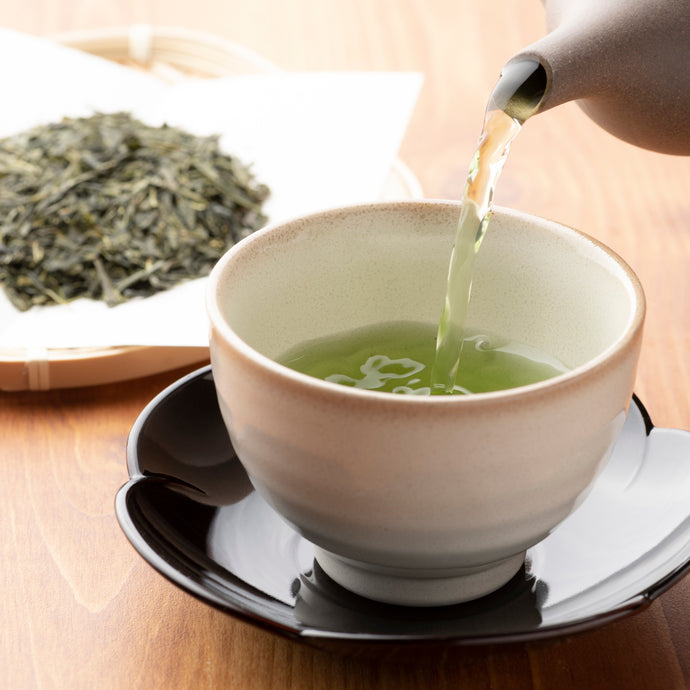
Pour the cooled water into the teapot, replace the lid, and allow the tea to steep.
A brewing time of about 60–90 seconds is a good guideline, adjusted as needed depending on the type of tea and the water temperature.

When preparing tea for multiple people, pour a small amount into each cup in turn, using a technique known as mawashi-tsugi. This method helps distribute the tea evenly, ensuring a balanced flavor and consistent strength in every cup.

Pour Evenly and Serve

Pour the tea little by little into each cup in turn to prevent uneven strength and ensure a balanced flavor.
By paying attention to both the order of pouring and the drinking temperature, the aroma is preserved and the tea’s rich umami can be enjoyed right down to the last drop.

Second and Third Infusions

For the second and third infusions, use slightly hotter water than for the first brew and shorten the steeping time to about 10–20 seconds.
By adjusting the temperature and timing, you can avoid over-extracting the leaves and bring out a well-balanced flavor in each successive infusion.
Gyokuro

One of Japan’s finest teas, gyokuro is grown under shade, which increases its concentration of the amino acid theanine. |This careful cultivation gives the tea its signature rich sweetness and smooth, velvety texture.【[Tea Leaf Amount]】Approximately 3 grams per serving【[Water Temperature]】50–60°C (Lukewarm; boiling water should not be used)【[Steeping Time]】2–3 minutes, brewed slowly【[Brewing Tips]】・Allow the water to cool thoroughly before pouring・Use a small amount of water (approximately 30 ml) to create a concentrated infusion

Matcha

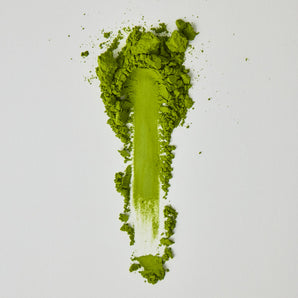
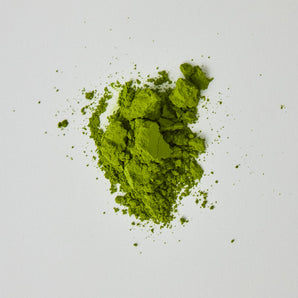
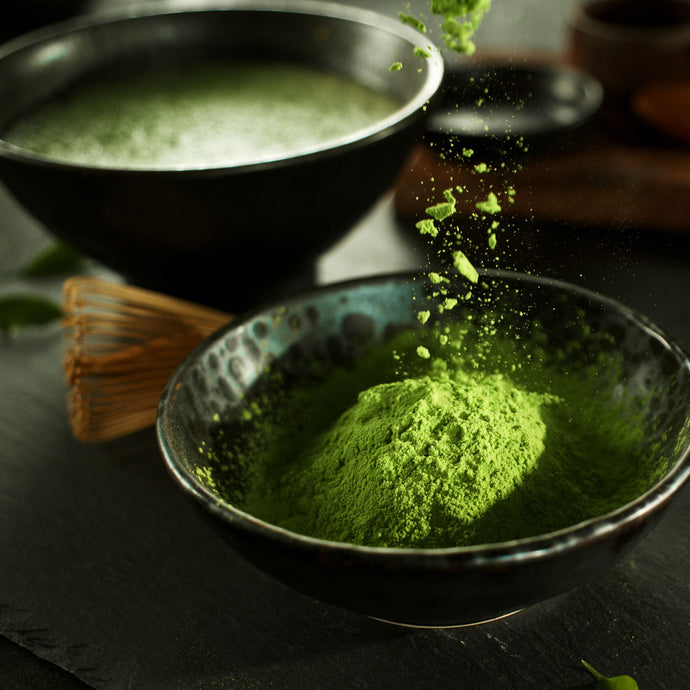
A powdered tea ground using traditional stone mills, matcha is also used in the Japanese tea ceremony. |It is rich in catechins and chlorophyll, giving it both its vibrant color and distinctive character.【[Matcha Powder Amount]】2 grams (about two scoops using a tea scoop)【[Water Temperature]】Approximately 60 ml of water at around 80°C【[How to Prepare]】・Place the matcha into a tea bowl・Sift the powder through a tea strainer to prevent lumps・Dissolve in a small amount of hot water to form a paste・Add the remaining water and whisk briskly with a bamboo whisk, drawing an “M” shape【[Tips]】・Aim for a fine, creamy foam・For koicha (thick tea), double the amount of matcha to create a rich, velvety texture

Hojicha

A roasted green tea made by firing tea leaves over high heat, hojicha is known for its warm, toasty aroma and relatively low caffeine content.【[Tea Leaf Amount]】3–4 grams【[Water Temperature]】95–100°C  (Boiling water is fine)【[Steeping Time]】30 seconds to 1 minute【[Tips]】・Brew quickly to preserve the tea’s roasted aroma・Especially suitable after meals or before bedtime.

Brown Rice Tea (Genmaicha)

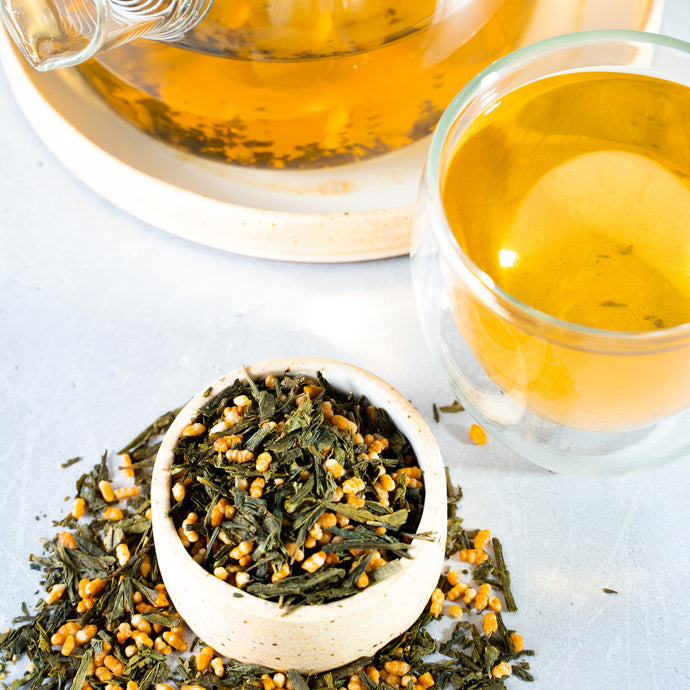
A blend of sencha or bancha combined with roasted brown rice, genmaicha is known for its toasty aroma and light, refreshing taste.【[Tea Leaf Amount]】3 grams【[Water Temperature]】85–90°C【[Steeping Time]】30 seconds to 1 minute【[Tips]】・Brew with slightly hotter water to fully enjoy the aroma・Pairs especially well with rich or oily foods

Bancha

An everyday tea made from more mature tea leaves, bancha is mild and low in bitterness, making it easy to enjoy throughout the day.【[Tea Leaf Amount]】3 grams【[Water Temperature]】90–100°C【[Steeping Time]】30 seconds to 1 minute【[Key Points]】・Light, refreshing flavor that can be enjoyed cup after cup・Also delicious when brewed cold

Barley Tea (Mugicha)

Caffeine-free. A fragrant summer staple. 
A caffeine-free tea with a toasty aroma, mugicha is a classic summer favorite in Japan.【[Tea Bag]】1 bag (makes 1 liter)【[Hot Water Brewing]】Steep in boiling water for 10–15 minutes【[Cold Water Brewing]】Place in cold water and refrigerate for 3–4 hours【[Key Points]】・Cold brewing produces a mellow flavor with no bitterness・Ideal for hydration, especially during the summer months

Cart 0

Your cart is currently empty.

Start Shopping