

The global matcha boom has created an unexpected problem: a flood of counterfeit and mislabeled products filling the market. As demand for matcha surges across the US, Europe, and beyond, the gap between supply and demand has created the perfect conditions for low-quality imitations to thrive. For café owners, food buyers, and business operators, understanding this issue is essential to protecting your product quality, brand, and customers.
Why fake matcha is surging
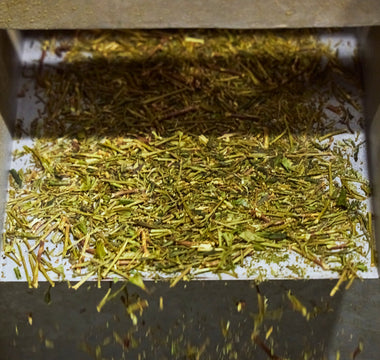
In 2024, matcha exports from Japan hit a 71-year record, shipped to over 50 countries worldwide. Yet authentic matcha — made from shade-grown tencha leaves, stone- or machine-milled into fine powder — accounts for only about 6–7% of Japan's total tea production. The supply simply cannot keep pace with global demand.
This scarcity has opened the door to exploitation. The term "matcha" carries no legally protected definition in most markets, meaning anyone can label a green powder as matcha regardless of origin or production method. Japanese producers have raised serious concerns about Chinese-manufactured green tea powder being mislabeled as Japanese matcha — sometimes even copying the branding and regional names of established Japanese producers.
Common types of fake matcha
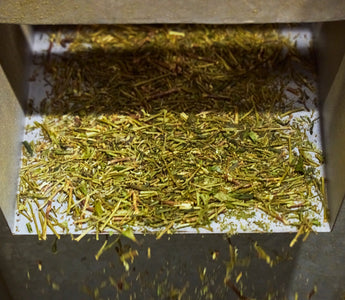
- Powdered sencha or bancha: Standard green tea leaves ground into powder. Different plant processing, lower L-theanine, duller flavor profile.
- Chinese green tea powder: Visually similar but lacks the umami depth and vibrant color of shade-grown Japanese tencha.
- Blended products: Small amounts of real matcha mixed with cheaper powders. Labeled as "matcha" but far from the real thing.
- Mulberry leaf or moringa powder: Plant-based green powders sometimes sold as matcha substitutes, especially in low-cost baked goods.
- Pre-sweetened "matcha" mixes: Mostly sugar, milk powder, and minimal green tea — often labeled as "matcha latte powder."
5 ways to spot the real thing
1. Color
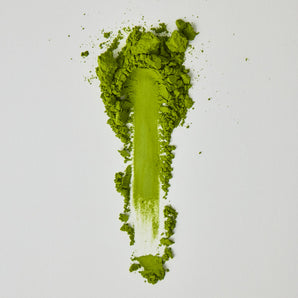
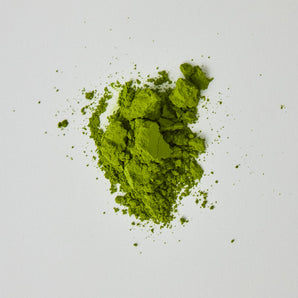
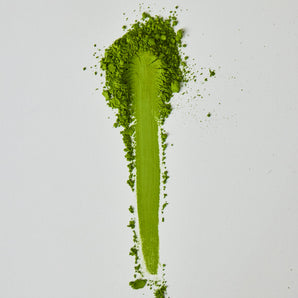
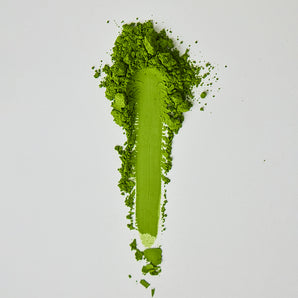
Authentic high-grade matcha is a vivid, deep emerald green — almost neon. Dull olive, yellowish, or brownish tones indicate oxidation, inferior raw material, or improper processing.
2. Aroma
Real matcha smells fresh, grassy, and slightly sweet the moment you open the package. Fake matcha often smells flat, metallic, fishy, or has almost no aroma at all.
3. Taste
Genuine matcha has a rich umami sweetness from L-theanine, with a pleasant lingering finish. Excessive bitterness, astringency, or a metallic aftertaste are signs of low-grade or counterfeit product.
4. Labeling transparency
Trustworthy matcha clearly states the origin (e.g. Uji, Nara, Kagoshima), raw material (tencha only), and milling method. Vague labeling, missing origin information, or non-Japanese production facilities are red flags.
5. Price
Authentic matcha is labor-intensive to produce. Unusually low wholesale prices — especially for 1kg quantities — are a strong indicator that the product is not genuine Japanese matcha.
The business risk of sourcing fake matcha
| Risk | Impact |
|---|---|
| Quality complaints | Customers notice flavor and color differences vs. authentic matcha |
| Health & safety | Unknown raw materials may carry pesticide residues or undisclosed additives |
| Brand damage | Serving fake matcha while claiming authenticity destroys customer trust |
| Regulatory risk | Strict food labeling laws in the EU and US can result in import bans for mislabeled products |
The most effective protection is to source directly from a verified Japanese supplier who can provide full traceability — origin, farm, grade, and processing method. Always request samples before committing to a bulk order, and ask for a Certificate of Analysis (COA) and origin documentation.
Why waka matcha
waka matcha operates its own tea farms in Uji and Nara — two of Japan's most respected matcha-growing regions. Every product we offer comes with full disclosure of origin, grade, and milling method. We provide samples for B2B buyers so you can verify quality with your own eyes, nose, and palate before placing a wholesale order.
Request a sample or wholesale quote: info@wakajapan.store