

If you are sourcing Japanese matcha for your cafe, restaurant, or food brand, you have almost certainly come across three main origins: Uji (Kyoto), Kagoshima, and increasingly, Nara. Each offers a different flavor profile and brand story. This guide breaks down the real differences so you can make the right choice for your business.
The Three Main Matcha Origins in Japan
Uji, Kyoto — The World-Famous Standard
Uji is the origin that global buyers recognize instantly. With over 800 years of matcha history and the backing of Japan's most prestigious tea houses, Uji matcha carries enormous brand recognition.
- Flavor: Rich umami, refined sweetness, elegant finish
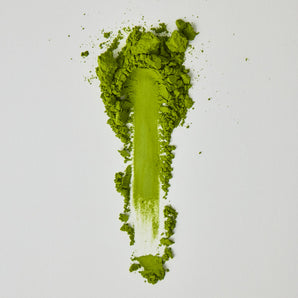
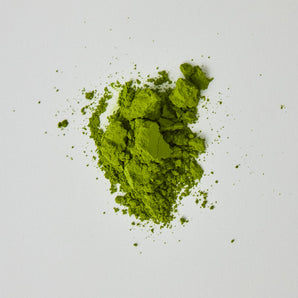
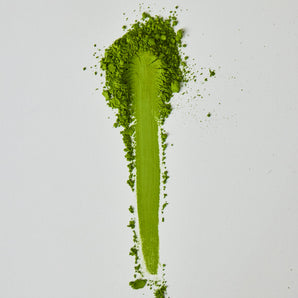
- Color: Vibrant bright green
- Best for: Premium positioning, tea ceremony, signature lattes
- Availability: Currently constrained due to global demand surge. Prices up 170% since 2023.
Kagoshima — High Volume, Consistent Quality
Kagoshima in southern Japan now produces roughly 40–45% of Japan's total matcha output. Machine-harvested and processed at industrial scale, it offers consistent quality — making it the workhorse of the global matcha supply chain.
- Flavor: Clean, straightforward, less complex than Uji
- Color: Good green, slightly less vibrant at equivalent grades
- Best for: High-volume cafe use, food manufacturing, cost-sensitive applications
Nara (Yamato) — The Rare Origin with the Deepest Story
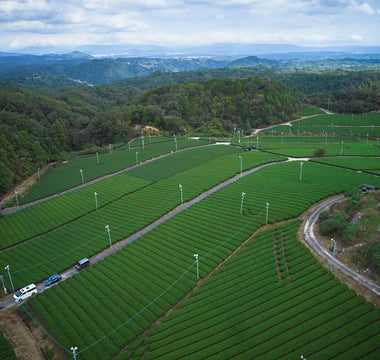
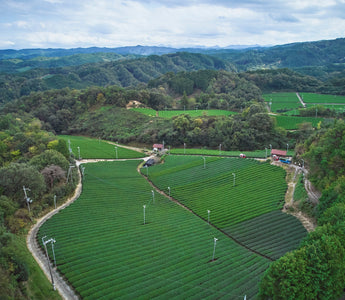
Nara is Japan's oldest tea origin and its most overlooked. The first written record of tea in Japan (815 CE) traces to Nara's Buddhist temples. Yet in the global export market, Nara matcha barely exists. That is precisely the opportunity.
- Flavor: Deep umami, complex layered aroma, long finish
- Color: Deep emerald green, rich chlorophyll from shade-grown highland leaves
- Best for: Premium positioning, menu differentiation, buyers who want a unique origin story
Side-by-Side Comparison
| Factor | Nara (waka matcha) | Uji, Kyoto | Kagoshima |
|---|---|---|---|
| History | 1,200+ years — Japan's oldest | 800+ years | Modern expansion |
| Harvest | Hand-picked, first flush | Hand or machine | Mostly machine |
| Processing | Stone-milled, own farm | Stone or machine | Mainly machine-milled |
| Flavor complexity | Deep, layered, long finish | Refined, elegant | Clean, consistent |
| Brand differentiation | ★★★★★ Rare | ★★★★☆ Known | ★★☆☆☆ Commodity |
| Traceability | Full (own farm) | Varies by supplier | Often opaque |
| Supply stability USA | Direct, guaranteed | Tight (high demand) | Generally available |
Which Should You Choose?
Brand recognition is your primary goal and customers already know and ask for Uji matcha.
Volume and cost efficiency are most important and you are serving a mass market.
You want to differentiate, tell a story, and offer something genuinely rare — without paying the Uji premium for a name.
Many of our wholesale customers use Nara Grade B or C for their signature drinks, and reserve Grade A for premium seasonal offerings.
waka matcha offers free samples of all Nara and Uji matcha grades for wholesale buyers in the USA. Compare side by side and decide for yourself.
info@wakajapan.store