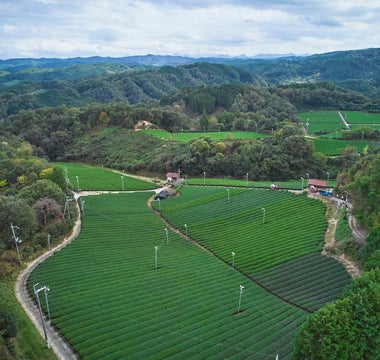


Matcha has become one of the fastest-growing menu items in the USA. But sourcing authentic Japanese matcha wholesale — at the right quality and supply stability — has become increasingly difficult as global demand outpaces supply.
This guide is written for US cafe owners, restaurant operators, and food brands who want to source genuine Japanese matcha directly without the confusion or quality uncertainty that comes with brokers and distributors.
The State of the Matcha Market in 2025–2026
Japan's leading business newspaper Nikkei has reported that all production processes for matcha are facing material shortages. Reuters documented Kyoto tea auction prices surging 170% since 2023. The causes are structural:
- Global demand (especially USA, Europe, Southeast Asia) growing 30–40% annually
- Japan's tea farm workforce aging — fewer skilled artisans available
- Stone-milling capacity physically limited — one mill produces only 30g/hour
- Counterfeit "matcha" flooding the market from unverified sources
What to Look for When Buying Matcha Wholesale
1. Origin transparency
Authentic Japanese matcha must come from Japan. Insist on knowing the specific prefecture and ideally the specific farm or tea region. "Japanese matcha" without a named origin is a red flag.
2. Processing method: stone-milled vs machine-milled
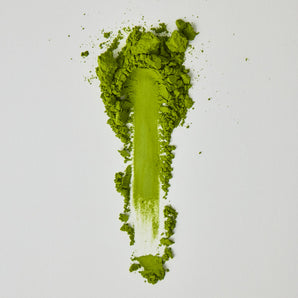
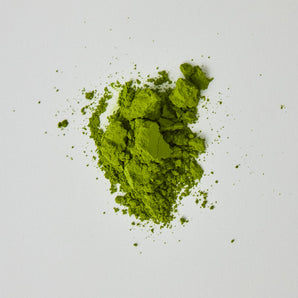
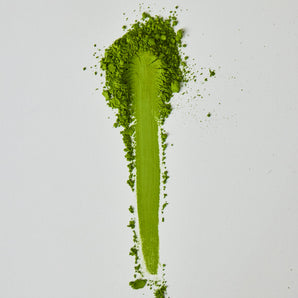
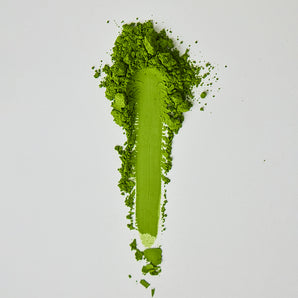
Stone-milling produces ultra-fine particles (5–10 microns), preserves volatile aroma compounds through low-heat grinding, and results in a smoother, more complex flavor. Machine-milling is faster and cheaper but produces coarser particles. For signature drinks and ceremonial use, always specify stone-milled.
3. Grade clarity
"Ceremonial grade" and "culinary grade" are not regulated terms in Japan — any producer can use them. Ask for specific grade criteria: shading duration, harvest flush, cultivar, and intended application.
4. Direct from farm vs broker vs importer
The typical US supply chain looks like: Japanese farm → tea house → exporter → US importer/broker → distributor → you. Each link adds cost and removes transparency. Direct-from-farm purchasing eliminates 2–4 layers of margin.
5. Sample before committing
Any serious wholesale supplier will provide free samples. Taste the matcha both as prepared tea (2g in 60ml water, 75°C, whisked) and as a latte (2g, 30ml water concentrate, 150ml milk) — the two applications can taste very different.
What waka matcha Offers USA Wholesale Buyers
Request a sample kit and we will recommend grades based on your application and volume needs. Mention "Wholesale USA" in your subject line.
info@wakajapan.store