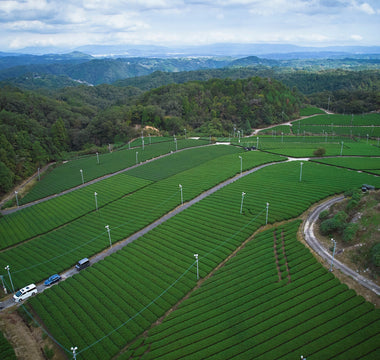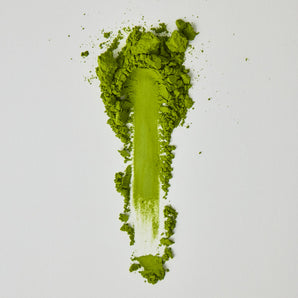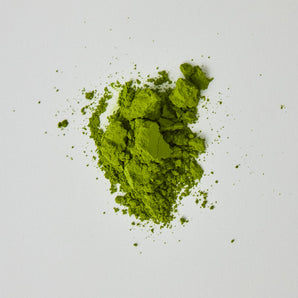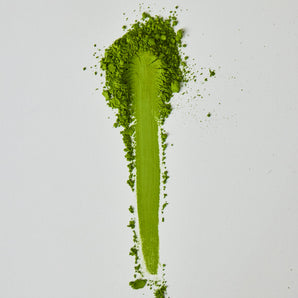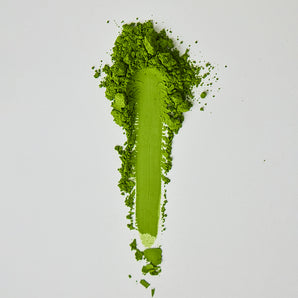


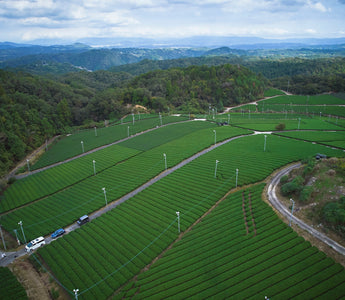
When people think of Japanese matcha, Uji in Kyoto is usually the first name that comes to mind. But the true birthplace of Japan's tea culture — and one of the country's most compelling matcha origins — is Nara. For café owners, importers, and food businesses looking to differentiate, Nara matcha represents a rare opportunity: exceptional quality, deep cultural roots, and almost no competition in global markets.
Nara: where Japan's tea culture began
Nara's tea history spans over 1,200 years. According to historical records, the Buddhist monk Kūkai (Kŋbo Daishi) brought tea seeds back from Tang Dynasty China in the early Heian period and planted them in the Uda region of Nara. Tea became inseparable from Buddhist practice and ceremony — and from the temples of Nara, it gradually spread throughout Japanese society.
In the Muromachi period, tea master Murata Jukō — a native of Nara — established the philosophy of wabi-cha, the aesthetic of quiet beauty and simplicity that became the spiritual foundation of Japanese tea ceremony. The spirit of ichigo ichie and wa kei sei jaku that defines modern chado was born from this Nara soil.
What makes Nara matcha distinctive
The matcha-growing regions of Nara — Tsukigase, Tawara, Yamabe, and Soni in the Yamato highlands — share a unique natural environment that directly shapes the flavor of the tea.
- Significant day-night temperature variation: The thermal stress concentrates amino acids, particularly L-theanine, giving Nara matcha its characteristic deep umami.
- Morning mists and mountain altitude: Soft diffused light extends the growing season and preserves chlorophyll, producing a rich emerald green color.
- Mineral-rich mountain soils: Ancient mountain geology contributes complex mineral notes that add layered depth to the flavor profile.
Where Uji matcha is celebrated for its clean, elegant clarity, Nara matcha is defined by its full body and lingering complexity — a contrast that gives buyers a genuine story to tell.
Nara vs Uji: a quick comparison
| Nara matcha | Uji matcha | |
|---|---|---|
| Global availability | Rare — almost absent from overseas markets | Widely available worldwide |
| Flavor profile | Full-bodied, deep umami, complex finish | Clean, elegant, well-balanced |
| Color | Deep, rich emerald green | Bright, vivid green |
| Differentiation value | Very high — unique story and origin | Moderate — well-known benchmark |
| Cultural heritage | Birthplace of Japanese tea ceremony | 800+ years of matcha tradition |
Why Nara matcha is gaining attention now
As the global matcha market matures, buyers are beginning to move beyond the familiar Uji benchmark. Sourcing professionals, specialty café operators, and premium food brands are actively seeking origins that offer genuine differentiation — in flavor, in story, and in provenance. Nara matcha delivers all three, and because it remains largely unknown outside Japan, early movers have a significant advantage.
waka matcha's Nara farm
waka matcha operates its own tea farm in Nara Prefecture, producing ceremonial-grade matcha across Grades A through E. We offer full traceability — origin, grade, and milling method — and provide B2B samples so you can evaluate quality before placing a wholesale order.
Wholesale and sample enquiries: info@wakajapan.store